How Global Uncertainty Is Changing Customer Expectations for Tours
Christian Rafols
Travelers are still booking. They are just more careful about who they trust.
The experience starts before the tour, and expectations are higher than ever.
Global uncertainty has not stopped travel demand. It has changed how travelers evaluate risk, trust, and experience before they commit.
Tour operators are no longer competing only on price or itinerary. They are competing on clarity, confidence, and ease.
Understanding how customer expectations in tourism are evolving is the first step toward staying competitive.
Tour operators that implement a digital waiver system create a smoother, more trustworthy experience before guests even arrive.
Why Global Uncertainty Is Reshaping the Travel Industry
Several factors continue to influence traveler behavior:
- Economic uncertainty
- Geopolitical tension
- Health concerns
- Travel disruptions and delays
These factors do not eliminate demand. They change how decisions are made.
Travelers are more cautious. They want reassurance before committing. They are more sensitive to risk.
Uncertainty shifts decision-making from impulse to evaluation.
The Shift: From Spontaneous Booking to Risk-Aware Decision Making
In the past, many bookings were quick decisions.
Today, travelers:
- Research more
- Compare more options
- Ask more questions
- Take longer to commit
They want to feel confident before they book. This shift impacts how tour operators must present their business.
Clarity and confidence now matter more than speed and urgency.
The 5 New Customer Expectations Tour Operators Must Understand
Clarity Before Commitment
Travelers expect complete transparency.
They want to clearly understand:
- Pricing
- Inclusions
- What the experience involves
- What to expect on arrival
- Ambiguity creates hesitation.
Clarity builds confidence.
Flexibility Without Friction
Uncertain conditions increase the need for flexibility.
Travelers expect:
- Easy cancellations
- Clear rebooking options
- Simple adjustments
If flexibility exists but is hard to understand or access, it does not build trust.
It must be visible and easy.
Seamless Digital Experiences
Modern travelers expect digital-first interactions.
They want:
- Mobile-friendly booking
- Fast processes
- No unnecessary paperwork
- Smooth check-in
Friction in digital experiences reduces confidence.
Visible Safety and Preparedness
Travelers want to feel that your operation is organized and reliable.
They look for:
- Clear safety processes
- Professional communication
- Structured operations
Preparedness builds trust.
Trust Signals at Every Step
Trust is built through multiple signals.
These include:
- Reviews and testimonials
- Clear communication
- Consistent messaging
- Smooth onboarding
Trust is not built in one moment. It is reinforced throughout the journey.
If your current experience does not meet these expectations, you are likely losing bookings before travelers even reach checkout.
Where Tour Operators Are Falling Behind
Many operators struggle to keep up with these changes.
Common issues include:
- Paper-based waivers
- Slow and manual check-in processes
- Unclear onboarding steps
- Inconsistent communication
- These gaps create friction.
And friction reduces trust.
Even small inefficiencies can impact how travelers perceive your business.
Many of these issues can be avoided by understanding the
advantages of electronic waivers over paper and how they eliminate delays, errors, and manual friction.
The Hidden Bottleneck: Customer Intake and Waiver Experience
One of the most overlooked areas is the intake and waiver process.
This is often the first real operational interaction a guest has with your business.
Common problems include:
- Long forms
- Manual paperwork
- Delays at check-in
- Confusion about what to complete
This creates a poor first impression.
If the start of the experience feels disorganized, trust decreases.
If it feels smooth and structured, confidence increases.
The waiver and check-in process is not just administrative. It is part of the customer experience.
How Digital Waivers Improve Customer Experience in Uncertain Times
Digital waivers help align operations with modern traveler expectations.
Businesses that focus on
how digital waivers improve customer experience
often see immediate improvements in check-in speed, guest satisfaction, and overall trust.
Faster, Stress-Free Check-In
Guests can complete forms before arrival or quickly on-site.
This reduces:
- Lines
- Delays
- Staff bottlenecks
Check-in becomes faster and more organized.
Mobile-First Signing Anywhere
Guests can sign waivers on their phones.
This allows:
- Pre-arrival completion
- Flexible access
- Faster onboarding
Mobile-first experiences match how travelers behave today.
Multi-Language Support for Global Travelers
Digital waivers can support multiple languages.
This improves:
- Understanding
- Confidence
- Inclusivity
Clear communication reduces hesitation.
Professional, Branded Experience
A clean digital interface creates a strong impression.
It communicates:
- Organization
- Reliability
- Modern operations
Professional presentation builds trust.
Safer, Contactless Processes
Contactless workflows align with current expectations.
They reduce:
- Physical friction
- Delays
- Uncertainty during check-in
Smooth processes feel safer and more controlled.
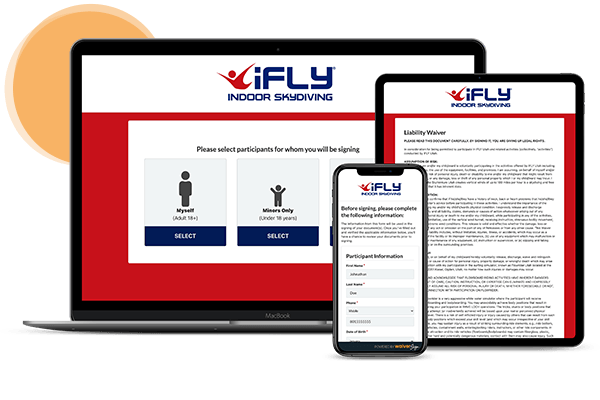
Digital waiver systems like WaiverSign help tour operators turn a traditionally frustrating step into a seamless part of the experience.
If your check-in process still relies on paper or manual steps, this is often one of the easiest areas to improve.
Why Customer Experience Is Now a Competitive Advantage
In uncertain environments, experience becomes the differentiator.
Travelers choose operators who feel:
- Clear
- Organized
- Easy to book
- Reliable
Customer experience directly influences perception.
And perception influences booking decisions.
The Link Between Experience, Trust, and Conversion
These three elements are connected.
- Smoother onboarding increases conversion
- Better experiences lead to better reviews
- Stronger trust increases repeat bookings
When friction is removed, decisions become easier. When decisions are easier, bookings increase.
How Tour Operators Can Adapt to These Changing Expectations
You do not need to overhaul everything at once.
Start with practical improvements:
- Audit your booking and check-in flow
- Identify points of friction
- Digitize intake and waiver processes
- Improve communication clarity
- Simplify onboarding steps
Focus on removing friction and increasing clarity. Small improvements can significantly impact conversion.
Future-Proofing Your Tour Business
Uncertainty is not temporary.
Customer expectations will continue to evolve.
Travelers will expect:
- Faster processes
- Clearer communication
- More flexibility
- Better digital experiences
Operators who adapt early will have a long-term advantage. Those who do not will fall behind.
Next Steps: Build a More Modern, Trust-Driven Experience
If you want to improve bookings, start with the experience.
Focus on:
- Streamlining check-in
- Reducing friction
- Improving onboarding
- Building trust through clarity
You can take the next step by:
- Exploring digital waiver solutions
- Improving your intake process
- Reducing check-in delays
- Creating a more seamless experience
Modern expectations require modern systems.
Frequently Asked Questions
How is global uncertainty affecting tourism?
It is changing how travelers make decisions. They are more cautious, research more, and look for reassurance before booking.
What do customers expect from tour operators today?
They expect clarity, flexibility, seamless digital experiences, visible safety, and strong trust signals.
Why is customer experience important in tourism?
Customer experience influences trust, satisfaction, and conversion. A smoother experience leads to more bookings and better reviews.
How do digital waivers improve customer experience?
They reduce paperwork, speed up check-in, improve clarity, and create a more professional and seamless onboarding process.
What is a contactless check-in process for tours?
It is a process where guests complete forms and check-in digitally without physical paperwork, reducing friction and wait times.
How can tour operators build trust with travelers?
By providing clear information, consistent communication, flexible policies, and a smooth booking experience.
What tools help improve tour booking experiences?
Tools such as digital waiver systems, booking platforms, and automated communication systems help reduce friction and improve overall experience.
Customer expectations are not just changing.
They are rising.
And the operators who adapt will win.

See If WaiverSign Works For You
Don't wait to make the next step in streamlining your business.