Top Reasons Guests Don’t Complete Waivers (And How to Fix It Fast)
Christian Rafols
Why Waiver Completion Is a Bigger Problem Than Most Tour Operators Realize
Most tour operators treat waivers as a simple administrative requirement that needs to be completed before a guest can participate in an activity. On the surface, that seems accurate. A waiver is necessary for liability and compliance. However, in practice, waiver completion sits much closer to the booking experience than most operators realize. It is not just paperwork. It is part of the customer journey.
When guests fail to complete waivers ahead of time, the impact is immediate. Check-in slows down, staff becomes overwhelmed, guests feel rushed or confused, and the overall experience starts with friction instead of excitement. What should have been a smooth transition from booking to experience turns into a bottleneck.
The deeper issue is that incomplete waivers are not random. They are a signal. They indicate that something in the process is creating friction, confusion, or delay. When this happens repeatedly, it affects more than operations. It begins to impact guest perception, satisfaction, and even booking completion rates.
This is why waiver completion should not be treated as a compliance checkbox. It should be treated as a conversion and experience optimization opportunity.
Treating waivers as part of the journey instead of just compliance becomes easier when a digital waiver system is in place to streamline completion and reduce friction for guests.
What Happens When Guests Don’t Complete Waivers
When a guest arrives without completing a waiver, the problem does not stay contained to that single moment. It cascades into multiple areas of the operation. Staff must shift focus from welcoming guests to managing paperwork. Lines begin to form. Guests who completed their waivers on time are forced to wait for others who did not. The energy of the experience changes before it even begins.
This creates a poor first impression. Instead of feeling excited, guests feel like they are navigating a process. That subtle shift matters. First impressions often shape how the rest of the experience is perceived.
From a business perspective, the impact is even broader. Incomplete waivers increase operational inefficiency, introduce risk exposure, and create opportunities for last-minute cancellations or delays. In some cases, guests who feel overwhelmed or confused may choose not to proceed at all. This turns what should have been a completed booking into lost revenue.
What makes this problem challenging is that guests rarely explain why they did not complete the waiver. They do not submit feedback. They do not complain. They simply arrive unprepared. This makes it easy to overlook the root cause.
The Real Reasons Guests Don’t Complete Waivers
Most operators assume guests skip waivers because they forget or do not take them seriously. While that can happen, it is rarely the primary reason. The real causes are almost always related to friction in the process.
When the waiver feels complicated or time-consuming, guests delay it. If the form has too many fields or lacks clear structure, it becomes something they plan to do later. Later often turns into never.
When the waiver is long and filled with dense legal language, guests disengage. They may scroll through quickly without understanding it, or they may abandon it entirely because it feels overwhelming. This is especially true on mobile devices, where long blocks of text are harder to read and navigate.
Timing also plays a critical role. If the waiver is sent too late, guests may not have time to complete it properly. If it is not integrated into the booking flow, it feels like a separate task rather than part of the process. This disconnect increases the likelihood of abandonment.
Mobile experience is another major factor. Most guests interact with booking confirmations and pre-arrival steps on their phones. If the waiver is not optimized for mobile, with clear buttons, fast loading times, and simple navigation, the experience becomes frustrating quickly.
Another overlooked factor is perceived value. Guests often see waivers as something they are required to do, not something that benefits them. If the process does not feel connected to the experience, it becomes easier to ignore.
Finally, there is the issue of reminders and follow-up. Without clear prompts, guests forget. Without urgency, they delay. Without a clear next step, they abandon.
The common thread across all of these issues is not resistance. It is friction. Guests are not refusing to complete waivers. They are disengaging because the process is not designed for how they behave.
These friction points are commonly addressed in online waiver questions from tour companies, where operators actively look for ways to reduce abandonment, simplify the process, and improve completion rates before arrival.
The Hidden Pattern: Guests Choose the Path of Least Resistance
When you step back and look at waiver completion from a behavioral perspective, a clear pattern emerges. Guests naturally choose the path that requires the least effort. If completing the waiver feels easy, they do it immediately. If it feels complicated, they postpone it.
This behavior is consistent across industries, not just tourism. People avoid tasks that feel time-consuming, confusing, or unnecessary. They prioritize what feels simple and immediate.
The challenge for tour operators is that this behavior is silent. Guests do not report friction. They do not say, “This form is too long” or “This process is confusing.” They simply do not complete it.
This is why improving waiver completion is not about enforcing compliance. It is about reducing effort. The easier the process becomes, the more likely guests are to complete it without hesitation.
How to Fix Waiver Drop-Off (What Actually Works)
Fixing waiver completion issues requires a shift in thinking. Instead of asking how to get guests to comply, operators should ask how to remove friction from the process.
Simplifying the form is one of the most effective changes. When the structure is clear and the number of fields is reduced to what is truly necessary, completion rates improve. Guests are far more likely to finish a process that feels quick and manageable.
Using plain language instead of heavy legal wording also makes a significant difference. While waivers must still meet legal requirements, the presentation can be more readable and easier to understand. Breaking content into sections and using clear headings improves engagement.
Integrating waivers into the booking flow is another key improvement. When guests complete the waiver as part of the booking process, it feels natural. When it is presented as a separate step later, it feels optional or secondary.
Mobile optimization is critical. The form must load quickly, display properly on all screen sizes, and allow for easy navigation. Any delay or technical issue increases the likelihood of abandonment.
QR codes offer one of the fastest on-site solutions for waiver completion. Placing a QR code at check-in, on signage, or even printed on booking confirmation cards gives guests an instant path to the waiver without staff needing to hand anything out. Guests scan, complete, and submit in minutes from their own device. This is especially effective for guests who arrive without completing the waiver in advance. Instead of creating a bottleneck, the QR code turns on-site completion into a quick, self-guided step that keeps the line moving.
Automated reminders help address forgetfulness. A simple email or SMS reminder before arrival can significantly increase completion rates. These reminders should be clear, direct, and easy to act on.
Most importantly, the process should guide the guest. Clear instructions, visible progress indicators, and confirmation messages all help reduce uncertainty. When guests know exactly what to do and what happens next, they are more likely to complete the process.
Many of these improvements align with proven
strategies to improve your online waiver, especially when simplifying forms and guiding guests through the process more clearly.
Why Digital Waivers Solve Most of These Problems
This is where digital waiver systems change the game. Traditional paper-based or disconnected processes introduce friction at multiple points. Digital systems eliminate many of these issues by design.
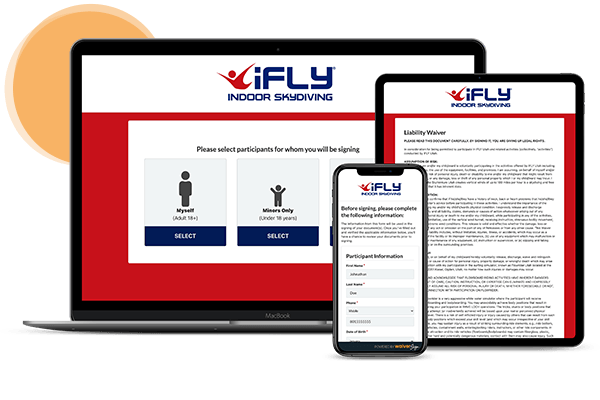
Platforms like WaiverSign are built to streamline the entire process. They allow guests to complete waivers before arrival, reduce manual errors, and provide real-time tracking of completion status.
Because the system is mobile-friendly, guests can complete waivers on their own time, from anywhere. This reduces the need for on-site completion and prevents check-in delays. Automated reminders ensure that fewer guests forget, and centralized data allows staff to verify completion quickly.
The result is not just higher completion rates. It is a smoother operational flow and a better guest experience.
How Waiver Completion Impacts the Entire Guest Experience
Waiver completion is often the first operational interaction a guest has after booking. This means it plays a significant role in shaping their perception of the business.
A smooth, easy process creates confidence. It signals that the operation is organized, professional, and prepared. A complicated or frustrating process creates doubt. It suggests that other parts of the experience may also be disorganized.
This is why waivers should be seen as part of the experience, not separate from it. They are a touchpoint that either builds trust or introduces friction.
When the process is optimized, it improves more than efficiency. It improves the overall flow of the guest journey.
What This Means for Your Tour Business
Waiver completion is not just about legal protection. It is a reflection of how well your business manages the transition from booking to experience.
Tour operators who optimize this process reduce friction, improve guest satisfaction, and create smoother operations. They start the experience on a positive note and maintain control over the flow of the day.
Operators who ignore it often deal with unnecessary delays, frustrated guests, and increased operational stress. Over time, these small issues compound and affect reviews, efficiency, and growth.
Improving waiver completion is one of the simplest ways to improve both operations and customer experience at the same time.
Frequently Asked Questions
Why do guests not complete waivers?
Guests typically do not complete waivers because the process feels complicated, time-consuming, poorly timed, or difficult to complete on mobile devices. Most abandonment is caused by friction, not refusal.
How can I increase waiver completion rates?
You can increase completion rates by simplifying the form, using clear language, integrating waivers into the booking flow, optimizing for mobile, and sending automated reminders.
Are digital waivers better than paper waivers?
Digital waivers are generally more efficient because they allow for pre-arrival completion, reduce errors, and streamline check-in. They also improve the overall guest experience.
When should waivers be sent to guests?
Waivers should ideally be presented during or immediately after booking, with follow-up reminders before arrival to ensure completion.
What should be included in a waiver form?
A waiver should include necessary legal protections, but it should also be structured clearly, easy to read, and aligned with the guest experience.
How do waivers affect customer experience?
Waivers affect customer experience by shaping the first operational interaction. A smooth process builds confidence, while a complicated one creates frustration.
Do waivers impact booking conversions?
Yes. Friction in the waiver process can delay or discourage completion, which can impact overall booking flow and guest readiness.

See If WaiverSign Works For You
Don't wait to make the next step in streamlining your business.